Dependencies
🌐 एआई और मनुष्यों द्वारा किया गया अनुवाद
यह अनुवाद मनुष्यों के मार्गदर्शन में एआई द्वारा किया गया है। 🤝
इसमें मूल अर्थ को गलत समझने या अप्राकृतिक लगने आदि जैसी गलतियाँ हो सकती हैं। 🤖
आप हमें एआई LLM को बेहतर मार्गदर्शन करने में मदद करके इस अनुवाद को बेहतर बना सकते हैं।
FastAPI में एक बहुत शक्तिशाली लेकिन सहज Dependency Injection system है।
इसे उपयोग में बहुत सरल होने के लिए, और किसी भी developer के लिए दूसरे components को FastAPI के साथ integrate करना बहुत आसान बनाने के लिए design किया गया है।
"Dependency Injection" क्या है
"Dependency Injection" का मतलब programming में यह है कि आपके code (इस मामले में, आपके path operation functions) के पास यह declare करने का एक तरीका होता है कि उसे काम करने और उपयोग करने के लिए किन चीज़ों की ज़रूरत है: "dependencies"।
और फिर, वह system (इस मामले में FastAPI) आपके code को वे ज़रूरी dependencies उपलब्ध कराने के लिए जो भी required है, उसका ध्यान रखेगा (dependencies को "inject" करेगा)।
यह तब बहुत उपयोगी होता है जब आपको:
- shared logic चाहिए (वही code logic बार-बार)।
- database connections share करने हों।
- security, authentication, role requirements, आदि enforce करने हों।
- और भी कई चीज़ें...
ये सब, code repetition को कम से कम रखते हुए।
पहले कदम
आइए एक बहुत सरल उदाहरण देखते हैं। यह इतना सरल होगा कि अभी के लिए बहुत उपयोगी नहीं है।
लेकिन इस तरह हम इस बात पर focus कर सकते हैं कि Dependency Injection system कैसे काम करता है।
एक dependency, या "dependable" बनाएँ
पहले dependency पर focus करते हैं।
यह बस एक function है जो वे सभी समान parameters ले सकता है जो एक path operation function ले सकता है:
from typing import Annotated

from fastapi import Depends, FastAPI

app = FastAPI()


async def common_parameters(q: str | None = None, skip: int = 0, limit: int = 100):
    return {"q": q, "skip": skip, "limit": limit}


@app.get("/items/")
async def read_items(commons: Annotated[dict, Depends(common_parameters)]):
    return commons


@app.get("/users/")
async def read_users(commons: Annotated[dict, Depends(common_parameters)]):
    return commons
🤓 Other versions and variants
Tip
Prefer to use the Annotated version if possible.
from fastapi import Depends, FastAPI

app = FastAPI()


async def common_parameters(q: str | None = None, skip: int = 0, limit: int = 100):
    return {"q": q, "skip": skip, "limit": limit}


@app.get("/items/")
async def read_items(commons: dict = Depends(common_parameters)):
    return commons


@app.get("/users/")
async def read_users(commons: dict = Depends(common_parameters)):
    return commons
बस इतना ही।
2 lines।
और इसका shape और structure वही है जो आपके सभी path operation functions का होता है।
आप इसे "decorator" के बिना एक path operation function के रूप में सोच सकते हैं (@app.get("/some-path") के बिना)।
और यह आपकी इच्छा के अनुसार कुछ भी return कर सकता है।
इस मामले में, यह dependency अपेक्षा करती है:
- एक optional query parameter
qजोstrहै। - एक optional query parameter
skipजोintहै, और default रूप से0है। - एक optional query parameter
limitजोintहै, और default रूप से100है।
और फिर यह बस उन values वाला एक dict return करता है।
नोट
FastAPI ने version 0.95.0 में Annotated के लिए support जोड़ा (और इसे recommend करना शुरू किया)।
अगर आपके पास पुराना version है, तो Annotated का उपयोग करने की कोशिश करते समय आपको errors मिलेंगे।
Annotated का उपयोग करने से पहले सुनिश्चित करें कि आप FastAPI version को Upgrade करके कम से कम 0.95.1 कर लें।
Depends import करें
from typing import Annotated

from fastapi import Depends, FastAPI

app = FastAPI()


async def common_parameters(q: str | None = None, skip: int = 0, limit: int = 100):
    return {"q": q, "skip": skip, "limit": limit}


@app.get("/items/")
async def read_items(commons: Annotated[dict, Depends(common_parameters)]):
    return commons


@app.get("/users/")
async def read_users(commons: Annotated[dict, Depends(common_parameters)]):
    return commons
🤓 Other versions and variants
Tip
Prefer to use the Annotated version if possible.
from fastapi import Depends, FastAPI

app = FastAPI()


async def common_parameters(q: str | None = None, skip: int = 0, limit: int = 100):
    return {"q": q, "skip": skip, "limit": limit}


@app.get("/items/")
async def read_items(commons: dict = Depends(common_parameters)):
    return commons


@app.get("/users/")
async def read_users(commons: dict = Depends(common_parameters)):
    return commons
"dependant" में dependency declare करें
जिस तरह आप अपने path operation function parameters के साथ Body, Query, आदि का उपयोग करते हैं, उसी तरह एक नए parameter के साथ Depends का उपयोग करें:
from typing import Annotated

from fastapi import Depends, FastAPI

app = FastAPI()


async def common_parameters(q: str | None = None, skip: int = 0, limit: int = 100):
    return {"q": q, "skip": skip, "limit": limit}


@app.get("/items/")
async def read_items(commons: Annotated[dict, Depends(common_parameters)]):
    return commons


@app.get("/users/")
async def read_users(commons: Annotated[dict, Depends(common_parameters)]):
    return commons
🤓 Other versions and variants
Tip
Prefer to use the Annotated version if possible.
from fastapi import Depends, FastAPI

app = FastAPI()


async def common_parameters(q: str | None = None, skip: int = 0, limit: int = 100):
    return {"q": q, "skip": skip, "limit": limit}


@app.get("/items/")
async def read_items(commons: dict = Depends(common_parameters)):
    return commons


@app.get("/users/")
async def read_users(commons: dict = Depends(common_parameters)):
    return commons
हालाँकि आप अपने function के parameters में Depends का उपयोग उसी तरह करते हैं जैसे आप Body, Query, आदि का उपयोग करते हैं, Depends थोड़ा अलग तरीके से काम करता है।
आप Depends को केवल एक parameter देते हैं।
यह parameter किसी function जैसा होना चाहिए।
आप इसे सीधे call नहीं करते (अंत में parentheses नहीं जोड़ते), आप बस इसे Depends() को एक parameter के रूप में pass करते हैं।
और वह function उसी तरह parameters लेता है जैसे path operation functions लेते हैं।
सुझाव
अगले chapter में आप देखेंगे कि functions के अलावा कौन सी दूसरी "चीज़ें" dependencies के रूप में उपयोग की जा सकती हैं।
जब भी कोई नया request आता है, FastAPI इन बातों का ध्यान रखेगा:
- आपकी dependency ("dependable") function को सही parameters के साथ call करना।
- आपके function से result लेना।
- उस result को आपके path operation function के parameter को assign करना।
graph TB

common_parameters(["common_parameters"])
read_items["/items/"]
read_users["/users/"]

common_parameters --> read_items
common_parameters --> read_users
इस तरह आप shared code एक बार लिखते हैं और FastAPI आपके path operations के लिए उसे call करने का ध्यान रखता है।
सुझाव
ध्यान दें कि आपको कोई special class बनाकर उसे FastAPI को "register" करने के लिए कहीं pass करने या ऐसा कुछ करने की ज़रूरत नहीं है।
आप बस इसे Depends को pass करते हैं और FastAPI जानता है कि बाकी कैसे करना है।
Annotated dependencies share करें
ऊपर के उदाहरणों में, आप देखते हैं कि code duplication का थोड़ा सा हिस्सा है।
जब आपको common_parameters() dependency का उपयोग करना हो, तो आपको type annotation और Depends() के साथ पूरा parameter लिखना पड़ता है:
commons: Annotated[dict, Depends(common_parameters)]
लेकिन क्योंकि हम Annotated का उपयोग कर रहे हैं, हम उस Annotated value को एक variable में store कर सकते हैं और कई जगहों पर उपयोग कर सकते हैं:
from typing import Annotated

from fastapi import Depends, FastAPI

app = FastAPI()


async def common_parameters(q: str | None = None, skip: int = 0, limit: int = 100):
    return {"q": q, "skip": skip, "limit": limit}


CommonsDep = Annotated[dict, Depends(common_parameters)]


@app.get("/items/")
async def read_items(commons: CommonsDep):
    return commons


@app.get("/users/")
async def read_users(commons: CommonsDep):
    return commons
सुझाव
यह बस standard Python है, इसे "type alias" कहा जाता है, यह वास्तव में FastAPI के लिए specific नहीं है।
लेकिन क्योंकि FastAPI Python standards पर आधारित है, जिसमें Annotated भी शामिल है, आप अपने code में इस trick का उपयोग कर सकते हैं। 😎
dependencies अपेक्षित रूप से काम करती रहेंगी, और सबसे अच्छी बात यह है कि type information preserve रहेगी, जिसका मतलब है कि आपका editor आपको autocompletion, inline errors, आदि प्रदान करना जारी रख सकेगा। यही बात mypy जैसे दूसरे tools के लिए भी लागू होती है।
यह खास तौर पर तब उपयोगी होगा जब आप इसे एक large code base में उपयोग करते हैं जहाँ आप वही dependencies बार-बार कई path operations में उपयोग करते हैं।
async करें या async न करें
क्योंकि dependencies को भी FastAPI द्वारा call किया जाएगा (आपके path operation functions की तरह), functions define करते समय वही rules लागू होते हैं।
आप async def या सामान्य def का उपयोग कर सकते हैं।
और आप normal def path operation functions के अंदर async def dependencies declare कर सकते हैं, या async def path operation functions के अंदर def dependencies, आदि।
इससे फर्क नहीं पड़ता। FastAPI जानता होगा कि क्या करना है।
नोट
अगर आपको नहीं पता, तो docs में async और await के बारे में Async: "In a hurry?" section देखें।
OpenAPI के साथ integrated
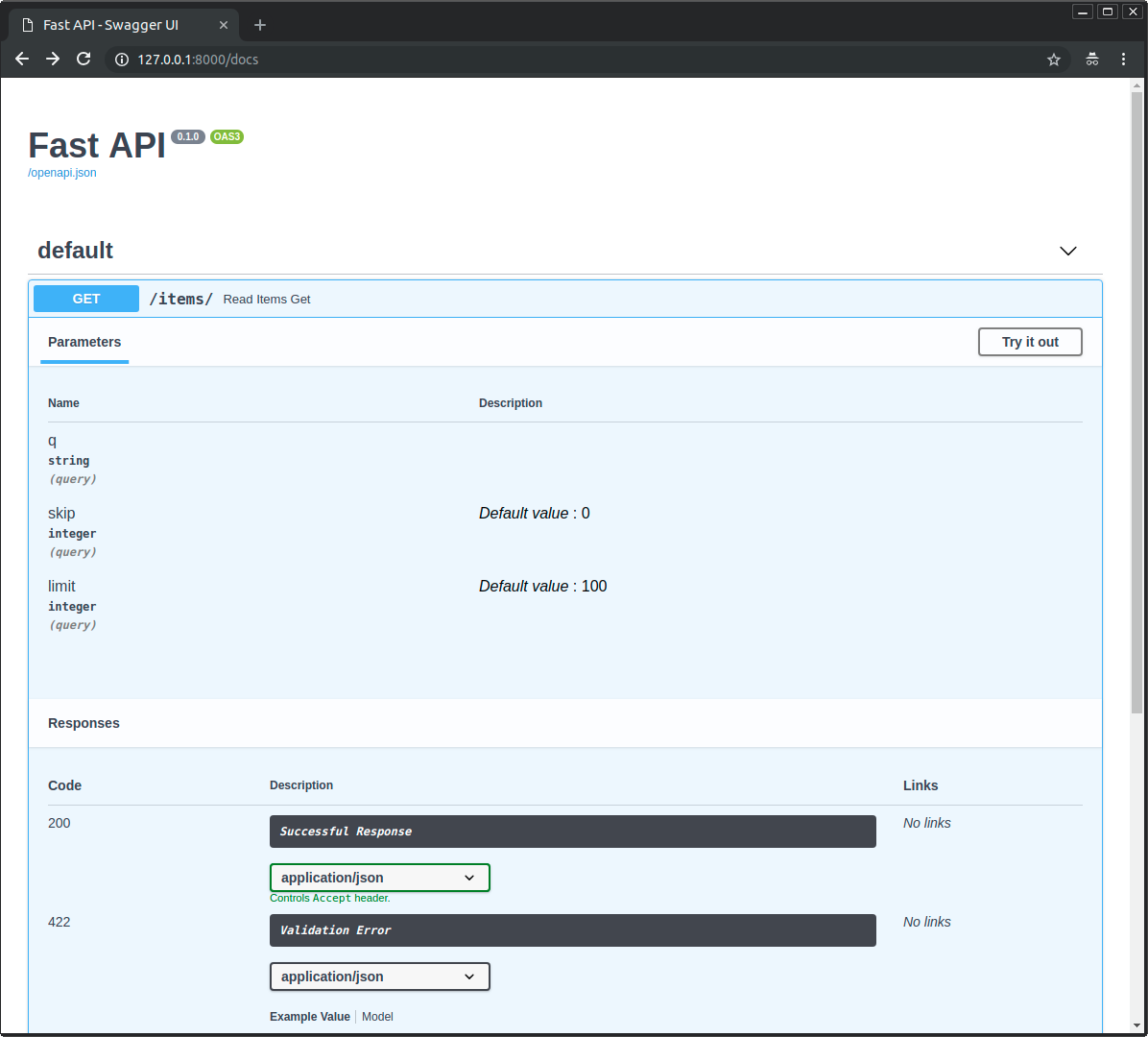
आपकी dependencies (और sub-dependencies) की सभी request declarations, validations और requirements उसी OpenAPI schema में integrate की जाएँगी।
इसलिए, interactive docs में इन dependencies की सारी जानकारी भी होगी:
सरल उपयोग
अगर आप इसे देखें, तो path operation functions इस तरह declare किए जाते हैं कि जब भी कोई path और operation match करता है, उनका उपयोग किया जाए, और फिर FastAPI सही parameters के साथ function को call करने और request से data extract करने का ध्यान रखता है।
असल में, सभी (या अधिकांश) web frameworks इसी तरह काम करते हैं।
आप उन functions को कभी सीधे call नहीं करते। वे आपके framework द्वारा call किए जाते हैं (इस मामले में, FastAPI)।
Dependency Injection system के साथ, आप FastAPI को यह भी बता सकते हैं कि आपका path operation function किसी और चीज़ पर भी "depend" करता है जिसे आपके path operation function से पहले execute किया जाना चाहिए, और FastAPI उसे execute करने और results को "inject" करने का ध्यान रखेगा।
"dependency injection" के इसी idea के लिए अन्य common terms हैं:
- resources
- providers
- services
- injectables
- components
FastAPI plug-ins
Integrations और "plug-ins" Dependency Injection system का उपयोग करके बनाए जा सकते हैं। लेकिन वास्तव में, "plug-ins" बनाने की कोई ज़रूरत नहीं है, क्योंकि dependencies का उपयोग करके अनगिनत integrations और interactions declare किए जा सकते हैं जो आपके path operation functions के लिए उपलब्ध हो जाते हैं।
और dependencies को बहुत सरल और सहज तरीके से बनाया जा सकता है, जिससे आप बस अपने required Python packages import कर सकते हैं, और उन्हें अपने API functions के साथ कुछ lines of code में integrate कर सकते हैं, literally।
आप अगले chapters में relational और NoSQL databases, security, आदि के बारे में इसके examples देखेंगे।
FastAPI compatibility
Dependency injection system की सरलता FastAPI को इनके साथ compatible बनाती है:
- सभी relational databases
- NoSQL databases
- external packages
- external APIs
- authentication और authorization systems
- API usage monitoring systems
- response data injection systems
- आदि।
सरल और शक्तिशाली
हालाँकि hierarchical dependency injection system को define और use करना बहुत सरल है, फिर भी यह बहुत शक्तिशाली है।
आप ऐसी dependencies define कर सकते हैं जो बदले में खुद dependencies define कर सकती हैं।
अंत में, dependencies का एक hierarchical tree बनता है, और Dependency Injection system आपके लिए इन सभी dependencies (और उनकी sub-dependencies) को solve करने और हर step पर results प्रदान करने (inject करने) का ध्यान रखता है।
उदाहरण के लिए, मान लें कि आपके पास 4 API endpoints (path operations) हैं:
/items/public//items/private//users/{user_id}/activate/items/pro/
तो आप उनमें से हर एक के लिए अलग-अलग permission requirements केवल dependencies और sub-dependencies के साथ जोड़ सकते हैं:
graph TB

current_user(["current_user"])
active_user(["active_user"])
admin_user(["admin_user"])
paying_user(["paying_user"])

public["/items/public/"]
private["/items/private/"]
activate_user["/users/{user_id}/activate"]
pro_items["/items/pro/"]

current_user --> active_user
active_user --> admin_user
active_user --> paying_user

current_user --> public
active_user --> private
admin_user --> activate_user
paying_user --> pro_items
OpenAPI के साथ integrated
ये सभी dependencies, अपनी requirements declare करते समय, आपके path operations में parameters, validations, आदि भी जोड़ती हैं।
FastAPI यह सब OpenAPI schema में जोड़ने का ध्यान रखेगा, ताकि यह interactive documentation systems में दिखाया जा सके।